
The best math curriculum for 3rd grade is the one that gets your child through the multiplication year without tears, yours or theirs. Third grade is where math changes character: facts have to become fluent, fractions appear as real numbers, and word problems grow teeth.
The seven programs below teach that same year seven different ways, from an app that teaches and grades itself to a scripted abacus program you deliver by hand. We checked every price in this guide at the publisher’s own store in October 2026.
Quick answer: Third grade is the multiplication year: by the end of it, children are typically expected to multiply and divide within 100 and to meet fractions as numbers on a number line for the first time. Most third graders do 30 to 45 minutes of math a day.
Best hands-on pick: RightStart Level D, about $319 in year one with the required Math Set, then about $99 a level. Best video-guided pick: Math-U-See Gamma, about $220 for the full set with blocks, and the whole level is multiplication.
Best independent pick: Teaching Textbooks Math 3, $48.95 a year, and the app teaches and grades every lesson.
Best structured workbook pick: Dimensions Math 3, about $58 for student books and about $103 with home instructor guides.
Best budget pick: Math Mammoth Grade 3, a $42.50 download, or The Good and the Beautiful Math 3, free as a publisher PDF. Best challenge pick: Beast Academy Level 3, about $120 for eight comic-style books.
And placement beats grade level: several of these programs use levels, not grades, and every publisher here offers a free placement check or samples.
What Third Grade Math Actually Covers
Whatever program you buy, the job of third grade math is the same defined list. Children learn what multiplication and division mean, how the two operations undo each other inside a fact family, and they build toward fluent recall of the single-digit facts by the end of the year.
They solve two-step word problems with all four operations. They round whole numbers using place value, add and subtract fluently within 1,000 with regrouping, and multiply one-digit numbers by multiples of 10.
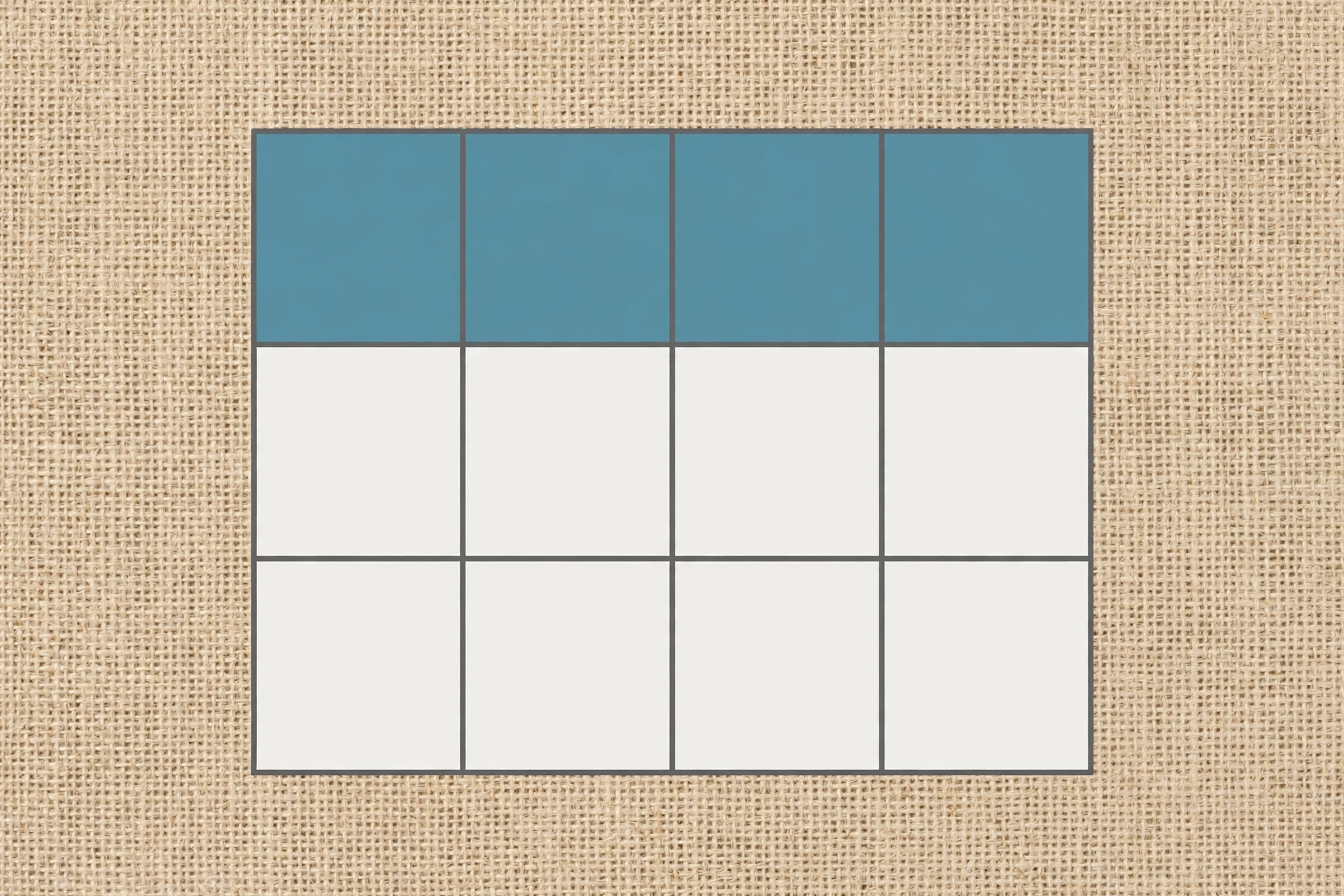
The genuinely new ideas are fractions and area. Fractions arrive as numbers in their own right, placed on a number line, compared, and matched in simple equivalent pairs.
Area is measured in unit squares and tied directly to multiplication, which is why teachers introduce the area model this year, alongside perimeter, time to the nearest minute and elapsed time, and scaled picture graphs, bar graphs and line plots.
It is a bigger year than first grade, but it is still one list.
Multiplication fluency is the mountain in the middle of it, and the right program is the one that gets your child up that mountain in a way they do not dread.
Our free multiplication chart and fraction calculator sit beside any of these programs when a child needs to check work or see a fact a second way.
3rd Grade Math Curricula at a Glance

Prices below were checked at the publishers’ own stores in October 2026. Lesson times are the publisher’s own figures where a publisher states them.
Parent load is the column most roundups hide, so read it honestly: in third grade the gap between “the app teaches it” and “you teach it” is the difference between a calm year and a daily negotiation.
| Program | Year price | Format | Lesson time | Parent load | Best for |
|---|---|---|---|---|---|
| Math-U-See Gamma | About $220 full set with blocks | Video lessons + Integer Blocks + workbook, mastery, all multiplication | Short video plus workbook pages | Moderate: coaches after the video | Multiplication mastery, block-based learners |
| RightStart Level D | About $319 first year (bundle + Math Set), about $99 after | Scripted lessons, AL Abacus, card games | 30 to 40 min daily | High: teaches every lesson | Deep number sense, hands-on kids |
| Teaching Textbooks Math 3 | $48.95 per student per year | App course: video lecture per lesson, automatic grading | Self-paced lessons in the app | Low: the app teaches and grades | Independent learners, hands-off parents |
| Dimensions Math 3 | About $58 student books, about $103 with home instructor guides | Full-color textbook + workbook, mastery | Parent paced, no official minutes | High: teaches from the guide | Rigorous Singapore approach at home |
| Math Mammoth Grade 3 | $42.50 download | Self-teaching worktext, mastery | No official minutes, child works in the book | Low to moderate: brief intro, then checks work | Budget, low prep, multi-child families |
| Beast Academy Level 3 | About $120 for the eight books, online about $100 a year | Comic Guide + Practice books, mastery with hard puzzles | Self-paced reading plus problem sets | Low to moderate: reads along, discusses problems | Advanced kids bored by regular math |
| The Good and the Beautiful Math 3 | Free PDF, about $59 printed (book + required Math Box) | Open-and-go course book with games and manipulative box | Short daily lessons, 120 lessons | Moderate: leads lessons, near-zero prep | Tight budgets, gentle beautiful pages |
Math-U-See Gamma: Best Video-Guided Pick for the Multiplication Year
What it is: A mastery program from Demme Learning built around color-coded Integer Blocks, and Gamma is the multiplication level, deliberately single-minded.
How a lesson runs: watch a short video lesson together while Steve Demme teaches the concept with the blocks, work examples from the instruction manual, then complete workbook pages with lesson practice, systematic review and application pages. One focus at a time, and the child does not move on until it is solid.
Around the multiplication core, Gamma weaves skip counting, area and how it connects to multiplication, time and money, data, basic fractions and measurement.
Cost: the Gamma Set is about $220 at the Demme Learning store, including the instruction manual, student workbook, tests booklet, the Integer Block Kit, and a one-year Essential Plan subscription card for the streaming video lessons. Families who already own the blocks can buy the pieces separately for about $155.
Best for: children whose facts are shaky and parents who want hands-on learning without delivering every explanation.
Watch out for: Gamma is one big topic done deeply, which is exactly wrong as a full year for a child who already multiplies fluently, and division is the next level (Delta), so a child who needs both operations this year needs a different pick.
Demme also retired lifetime video access in 2026, so check what the one-year plan means for year two before you budget.
RightStart Level D: Best for Deep Number Sense
What it is: A fully scripted, hands-on program from Activities for Learning, built around the AL Abacus. Level D is the level most third graders use, and levels are not grades, so start with the publisher’s free placement check.
‘How a lesson runs: you teach every lesson, 30 to 40 minutes a day by the publisher’s own timing, the longest in this roundup.
Children keep visualizing quantities grouped in 5s and 10s on the abacus, practice facts through math card games rather than drill sheets, and do geometry and angle work with drawing tools, with very few worksheets.
Level D covers the meaning and properties of multiplication and division, multiplying a 4-digit number by a 1-digit number, rounding, numbers to the millions, area and measurement in US customary and metric units, fractions, and graphing.
Cost: the Level D Book Bundle is about $99 and the required RS2 Math Set is about $220, bought once and used through Level F, so year one totals about $319 and later levels run about $99. Best for: hands-on kids and parents who want real number sense built early.
Watch out for: the first-year price and the daily teaching commitment are both the biggest on this list, the Math Set has many pieces to store, and Level D runs ahead of standard grade 3 scope in places, so a slower or faster pass through it is normal.
Teaching Textbooks Math 3: Best for Independent Learners
What it is: An app-based course from Teaching Textbooks, and Math 3 is the entry level of the whole program, so third grade is the first year this pick exists.
How a lesson runs: the child runs it themselves.
Every lesson has a video lecture, problems are read aloud, hints appear just in time, a built-in scratchpad handles working out, and every problem comes with a full step-by-step audiovisual solution.
Every problem is graded the moment it is entered, grades collect in a parent gradebook, and the app works offline for up to 6 lessons at a time. The content is the standard grade 3 list, taught in a gentle spiral with review in every assignment.
Cost: $48.95 per student for a 12-month enrollment, and the Large Family Discount Plan covers 4 to 8 students for $239.95.
Best for: independent learners and the lowest parent load on this list: you check the gradebook and the daily progress email, and a free tutor helpline by phone backs the program up.
Watch out for: the enrollment is locked to one student and one level, cannot be shared between siblings, and unused time does not roll into the next level.
Start with the free trial, the first 15 lessons of any level with no payment details taken, plus the free placement test, because Teaching Textbooks levels do not map neatly onto school grades. A 30-day refund window from the course start date softens a wrong placement.
Dimensions Math 3: Best for a Rigorous Foundation
What it is: Singapore Math’s current flagship series, written for US families, following the concrete, pictorial, abstract progression the Singapore approach is famous for, with a strong emphasis on mental math strategies and word problems, including two-step problems early.
How a lesson runs: the full-color textbook introduces each concept through exploration, pictures and discussion, and a linked workbook exercise follows. You teach from the guide. The year runs from numbers to 10,000 with place value, comparing and rounding, through addition and subtraction with regrouping, into multiplication and division with remainders and serious mental math.
Cost: Textbooks 3A and 3B plus Workbooks 3A and 3B run about $14.50 each, about $58 for the full year of student books. Most homeschool parents pick the Home Instructor’s Guides, written for one-on-one teaching at $22.50 each, about $103 all in, while the classroom Teacher’s Guides at $32.50 each bring the total to about $123.
Best for: parents who want the rigorous Singapore foundation at a workbook price. Watch out for: the multi-book setup confuses first-time buyers, and the guides assume a confident teacher, so new homeschool parents get less hand-holding than with RightStart. Singapore levels often sit ahead of US grade levels, so use the free placement test before ordering.
Math Mammoth Grade 3: Best Budget, Low-Prep Pick
What it is: A complete worktext curriculum by Maria Miller, a former teacher. A worktext means the teaching explanations and the exercises live in the same book, written directly to the student in short steps with worked examples.
How a lesson runs: you introduce the page briefly, your child works through it, and you check with the answer key.
Cumulative reviews are mixed in so old topics stay warm. The two worktexts run to roughly 400 lesson pages across the year, the most seatwork on this list, and families pace it themselves. It covers the full grade 3 year: multiplication and division, fractions, area and perimeter, rounding, time, money, measurement and data, with word problems throughout.
Cost: $42.50 for the complete Grade 3 download at mathmammoth.com, including both worktexts, answer keys, tests, cumulative reviews and a worksheet maker. Printed copies cost more through the publisher’s print partners.
Best for: budget-first families, parents teaching several children, and the lowest prep of any book-based program here.
Watch out for: no manipulatives are built in, so keep counters and base-ten blocks on the table yourself for the multiplication chapters, especially for a hands-on learner. The pages are plain, and the download only saves money if your printing is cheap.
Beast Academy Level 3: Best for Kids Racing Ahead
What it is: The challenge program from Art of Problem Solving. Level 3 splits into separate comic-style Guide books and Practice books, one pair for each of four units.
How a lesson runs: each Guide teaches through chapters where monster characters argue their way to the math, followed by a Practice book with hundreds of problems per unit, from warm-ups to genuinely hard puzzles. The publisher puts more than 400 problems in each Practice book.
The scope runs past the grade 3 list on purpose: shapes, skip counting, perimeter and area in 3A, multiplication, perfect squares and the distributive property in 3B, variables, division and measurement in 3C, and fractions, estimation and area in 3D.
Variables, in third grade, is early algebra thinking that no standard program here touches.
Cost: the eight books (Guide and Practice 3A to 3D) run about $120 for the set.
Beast Academy Online is about $100 a year and covers all levels, and a books-plus-online bundle runs about $160 a year. Best for: advanced kids who are bored by regular math and light up at puzzles. Watch out for: it is deliberately hard, with light repetition by design.
It is the wrong main program for a child who is struggling or who needs routine fact practice.
The Good and the Beautiful Math 3: Best Free-to-Start Pick
What it is: An open-and-go course from a faith-based publisher, with values and character content running through the brand, though the math courses are lighter-touch than its language arts.
How a lesson runs: one Course Book serves as both teacher guide and student book, leading short parent-led lessons that mix teaching, workbook pages, games, and hands-on activities with the Math Box tools, which include wooden game pawns, dice, a retractable measuring tape, an array mat card, and tangram and pattern block pieces.
The book holds 120 lessons across 401 pages, covering advanced addition and subtraction, multiplication and division, beginning geometry, graphing, time and measurement.
Cost: the complete Math 3 course PDF is free from the publisher’s own downloads page.
Printed, the Course Book is about $30 and the required Math Box is about $29, so about $59 total.
One honest warning: when we checked in October 2026, both printed items were sold out at the publisher, so the free PDF is the practical route today, and the Math Box activities need your own substitutes for the dice, tape and pieces until it restocks.
Best for: tight budgets and parents who want beautiful pages with nothing to plan. Watch out for: free still needs the Math Box or substitutes, and printing 401 full-color pages at home can quietly cost more than the printed book. Families who need a strictly secular program should look at Math Mammoth instead.
Start Here If…

You are brand new to homeschooling in third grade: Teaching Textbooks Math 3 (the app teaches and grades, and third grade is the first year it exists) or The Good and the Beautiful Math 3 (open the book and teach, free to try as a PDF). Both forgive a nervous teacher.
Your child is racing ahead: Beast Academy Level 3. It is the only program here designed to challenge a strong eight or nine-year-old, with variables and genuinely hard puzzles instead of just faster easy pages.
Your child is struggling or has gaps: Math-U-See, placed honestly. If second grade addition and subtraction are still shaky, start at Beta to rebuild, then Gamma for multiplication, because the mastery format and the blocks are built for exactly this.
RightStart Level D is the alternative if you can teach daily, and its free placement check may land your child at Level C first, which is fine.
Budget comes first: Math Mammoth Grade 3 at $42.50 for the whole year, or The Good and the Beautiful Math 3 free as a PDF plus the manipulative box. Both are complete programs, not samples.
You have very little teaching time: Teaching Textbooks (the app teaches and grades, you read the progress email) or Math Mammoth (the book teaches, you check). Be honest here: RightStart and Dimensions both need you teaching most days.
Before you buy anything: every publisher on this list offers sample lessons, placement tests, a free trial, or a free download. Run one real lesson at your own table before spending a dollar. While you decide, our free worksheet generator prints targeted practice so facts do not stall between programs.
Frequently Asked Questions
What math should a 3rd grader learn?
Multiplication and division within 100, with real understanding of what they mean and how they undo each other, fractions as numbers on a number line, rounding and adding and subtracting within 1,000, area and perimeter, telling time to the minute and elapsed time, and reading and making graphs.
That is the standard grade 3 list, and every program in this roundup covers it.
How long should 3rd grade math take each day?
About 30 to 45 minutes for most children. RightStart plans the longest lessons here at 30 to 40 minutes, Teaching Textbooks and The Good and the Beautiful keep lessons short by design, and every program in this list spreads the year across a full school year of lessons, so short and daily beats long and rare.
Does my 3rd grader need to memorize the multiplication facts?
Yes, as the end-of-year goal. Third grade expects children to multiply and divide within 100 fluently, which in practice means the single-digit facts need to be known, not counted out.
Programs differ in how they get there: RightStart uses card games, Math-U-See builds facts with blocks and strategies, Beast Academy assumes and stretches them, and the workbook programs drill them on the page.
Which curriculum is best for a 3rd grader who is behind in math?
The one that lets you start where your child actually is. Math-U-See’s mastery levels make it painless to drop back to Beta for addition and subtraction before Gamma’s multiplication, and RightStart’s free placement check does the same job for its levels. Avoid any program that forces a child with gaps to start at a grade label and keep up.
Can we switch math curricula mid-year in 3rd grade?
Yes, and multiplication season is when most families do it. Run the new program’s free placement check or trial first, start where your child places, and do not make them repeat months of mastered work just to begin at lesson 1. The free trials and downloads on this list make a mid-year switch cheap to test.
Does a 3rd grader still need manipulatives?
For new concepts, yes.
Multiplication and area are both far easier to understand when a child can build them, which is why Math-U-See and RightStart are built around their block and abacus sets and why The Good and the Beautiful ships a Math Box.
Workbook-first programs like Math Mammoth and Dimensions expect you to keep counters and base-ten blocks on the table yourself.
Pick the program that matches your child and your Tuesdays, download its free samples tonight, and teach one real lesson before you spend anything.
For the practice that sits beside any of these programs, keep our free math tools page bookmarked: a multiplication chart for the facts this year is built on, step-by-step calculators for checking work, and a worksheet generator for the exact skill your chosen curriculum is teaching this week.
Every topic clicks faster with practice. Our Resource Library has free lesson packs with slides, printable worksheets and full answer keys, ready to download and teach.
Members unlock every lesson in the library, including the full Fractions, Multiplication, Place Value, Addition & Subtraction, Time & Money and Geometry & Shapes units. See the full library


